The east coast of Zanzibar at a glance
Paje is the busiest village on this coast, with guesthouses, kite schools and beach bars. Bwejuu runs north from it along a long, quiet beach towards the Michamvi peninsula, and Jambiani stretches for several kilometres to the south, still very much a fishing and farming village.
Further north, beyond Chwaka Bay, the beaches of Pongwe and Uroa belong to the north-east coast and are covered in our guide to Zanzibar's beaches. Transfers from the airport to Paje take about an hour; see airport transfers.
The lagoon and the tides
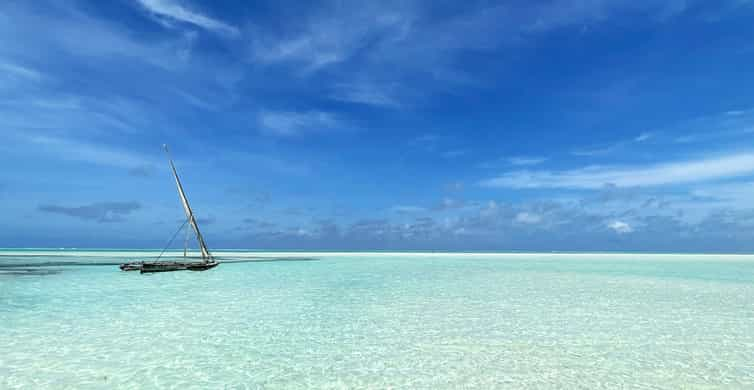
Paje's lagoon is shallow and the reef sits far out, so the tide changes the scenery completely. At low tide the water retreats hundreds of metres and you can walk across sand, seagrass and seaweed farms; at high tide the lagoon fills with clear, turquoise water.
Swimming is only good in the few hours around high tide, and the times move by roughly 50 minutes a day. Check a tide table when you arrive; our Zanzibar tides guide explains how. Low tide is the time for walks out across the lagoon to look at starfish, small fish and the women at work on their farms. Wear reef shoes, as sea urchins are common, and do not stand on coral or pick up starfish.
Kitesurfing in Paje
Paje is Zanzibar's kitesurfing centre, thanks to flat, knee-deep water in the lagoon and two reliable wind seasons. The kusi, from the south-east, blows roughly from June to October, sometimes from May, and is usually the stronger season, with lighter mornings and stronger afternoons. The kaskazi, from the north, blows roughly from mid-December to February or March. The months in between are less reliable.
At low tide kiters move to the outer lagoon; as the water rises, small waves form near the reef. Watch out for the seaweed farms and their stakes. Schools along the beach teach beginners; see kitesurfing lessons in Zanzibar.
Jambiani and the seaweed farmers
Commercial seaweed farming started on Zanzibar in 1989 in Paje and Jambiani, and it is still mostly women's work. At low tide you see them tending lines of seaweed tied to stakes in the lagoon; the crop is dried on the beach and sold, mainly for use in cosmetics and food. It is hard, back-bending work for low pay, and harvests have suffered in recent years as warmer water causes die-offs. For many women it is still one of the few sources of their own income in the village.
In Paje, Mwani Zanzibar, a social enterprise formerly known as the Seaweed Center, turns seaweed into soaps and skincare and offers short studio tours showing how the products are made; it is a good place to buy a souvenir whose money stays in the village. In the lagoon, walk around the farms rather than through them, and ask before photographing anyone.
Near Paje: Kuza Cave, The Rock, Michamvi and Jozani
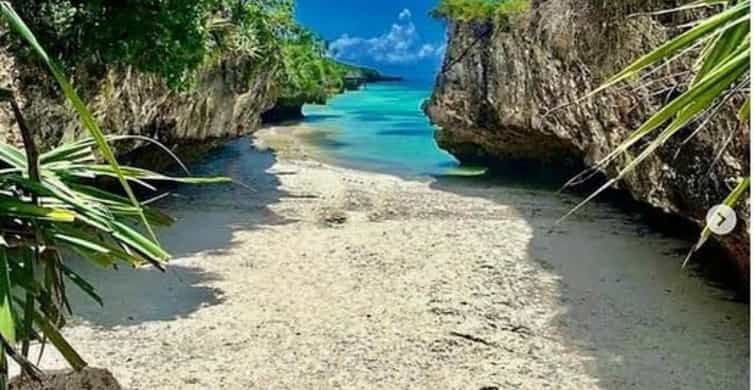
Kuza Cave, in Jambiani, is a limestone cave with a freshwater pool you can swim in; the entrance fee is paid on site, in cash. Read more about Zanzibar's caves.
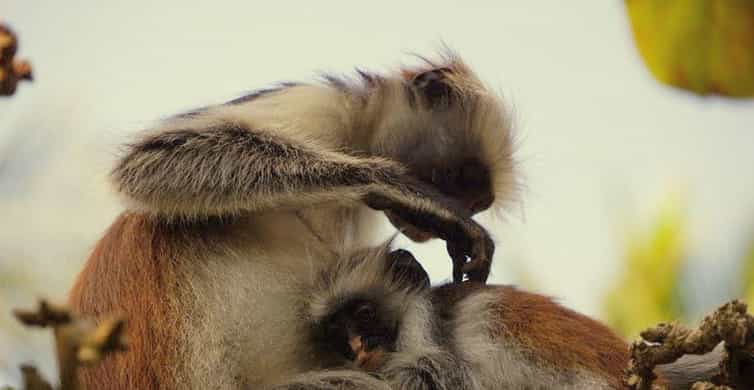
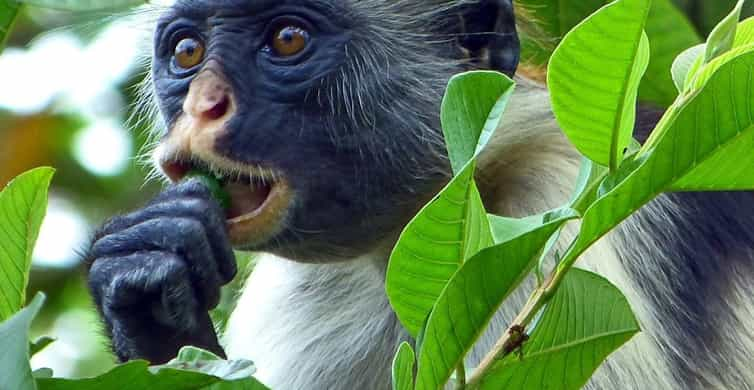
North of Bwejuu, the Michamvi peninsula has beaches facing Chwaka Bay with sunset views, and The Rock restaurant off Michamvi Pingwe: at low tide you walk to it across the sand, at high tide a boat takes you. On the road towards Stone Town, Jozani Forest and its red colobus monkeys are a short drive away and an easy half-day visit.
Nightlife and atmosphere
The east coast is relaxed. Paje has a few beach bars with music some nights and is the liveliest of the three villages, popular with kitesurfers and younger travellers. Jambiani and Bwejuu are quiet, with dinners on the sand, local restaurants run by families and early nights. If you want late-night parties and swimming at any tide, Nungwi and Kendwa suit you better.
These are conservative Muslim villages: cover shoulders and knees away from the beach, and expect daytime restaurant closures during Ramadan. Compare all areas in places to visit.
Frequently asked questions
Can you swim in Paje?
Yes, in the few hours around high tide, when the lagoon is full. At low tide the water retreats hundreds of metres and is too shallow to swim.
When is the kitesurfing season in Paje?
There are two: the kusi from roughly June to October, usually stronger, and the kaskazi from roughly mid-December to February or March.
Is Paje or Jambiani better?
Paje has more kite schools, bars and places to eat; Jambiani is quieter and more of a village, with the same lagoon and tides.
How far is Paje from Zanzibar airport?
About an hour by car.
What is there to do near Paje?
Kitesurfing, low-tide lagoon walks, the seaweed farms, Kuza Cave in Jambiani, The Rock restaurant at Michamvi Pingwe and the red colobus monkeys of Jozani Forest.